Every September, the light changes and so does everyone's hair mood. The bright, sun-lightened shades of summer start to look washed out, and richer, deeper color suddenly looks right. Going darker for fall is the most forgiving color change of the year when it is done well, because depositing color is gentler than lifting it, and because a seasonal deepening can be designed to reverse come spring.
At Embellish Hair Studio in Chesterfield, hair color and highlights and balayage are central services, and the fall shift is a familiar conversation. Done well means thinking two seasons ahead, keeping dimension instead of going flat, and doing the simple home care that lets a deeper shade stay rich rather than turn muddy.
The how-to, from decision to maintenance
- Decide how dark, in levels, not adjectives. Bring photos, and expect your stylist to talk about going one to three levels deeper than your summer shade. A modest deepening reads as a big change in person while staying easy to reverse; a dramatic plunge to near-black is a longer commitment.
- Keep dimension on purpose. Solid, single-process darkness can look flat and harsh, especially on longer hair. Leaving or adding slightly lighter pieces around the face and through the ends, a balayage effect in a deeper key, keeps the color moving in the light.
- Choose warmth deliberately. Fall shades lean warm for most people: chestnut, caramel, copper-brown, and deep golden tones flatter skin that has lost its summer color. Cool, ashy darkness suits some complexions and washes others out, so decide with a mirror and honest light, not a trend photo alone.
- Fill lightened hair before darkening it. Hair that was bleached or heavily highlighted is missing the warm underlying pigment that dark color needs to grip. A stylist may add that warmth back first, in a process often called filling, so the final shade does not turn hollow, greenish, or faded within weeks.
- Expect the first version to fade a little. Porous, previously lightened hair lets some new pigment go in the first washes. That is normal, and a gloss refresh a few weeks in often locks the shade to the depth you actually chose.
- Adjust your makeup and wardrobe eye. Deeper hair changes contrast. Brows may need a slightly stronger product, and the pale summer colors in your closet will read differently against the new shade. This is part of the fun, but it surprises people who were not warned.
- Care for it like colored hair, because it is. Lukewarm water, gentle sulfate-free shampoo, conditioner every wash, and moderate heat keep a fall shade rich. Darker does not mean maintenance-free; it means maintenance of a simpler kind.
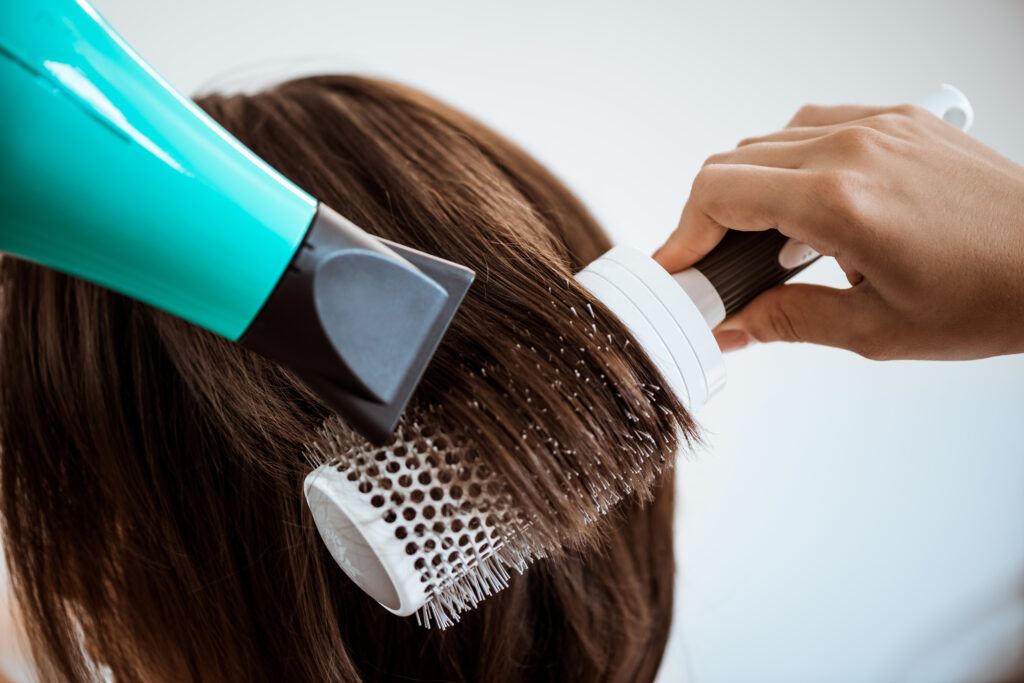
Why seasonal shifts beat full reinventions
A seasonal change works with the hair instead of against it. Your summer hair is usually lighter, drier, and a little sun-damaged at the ends. Deepening it for fall deposits color onto that canvas without more lightening, which is the least stressful direction a color service can go. Then, when spring comes, lightening back up by a few levels is a reasonable request, because the fall color was deposited moderately and the hair underneath was not pushed further.
The trap is the annual swing to extremes: pale blonde every May, near-black every October. Each dark phase over lightened hair requires filling, each light phase requires stripping that fill back out, and the hair pays for every round trip. Clients in Chesterfield who shift two or three levels with the seasons keep both looks and keep their hair's condition. Clients who swing six levels each way end up discussing corrective color by the third year.
What you can do at home, and the professional line
At home, the helpful work is care, not color: conditioning, a color-safe wash routine, and an occasional gloss-enhancing conditioner in a matching warm tone if your stylist suggests one. The professional line is the darkening itself, especially over highlighted hair, where filling and tone choice decide whether the result is rich or muddy. Box color over balayage is a common route to the flat, uneven darkness people then pay to have corrected, often in more than one visit.
Timing is the last piece. Book the fall change in early autumn, and your color is settled and at its richest through the holiday photo season, with a gloss refresh as the only upkeep most people need before spring.
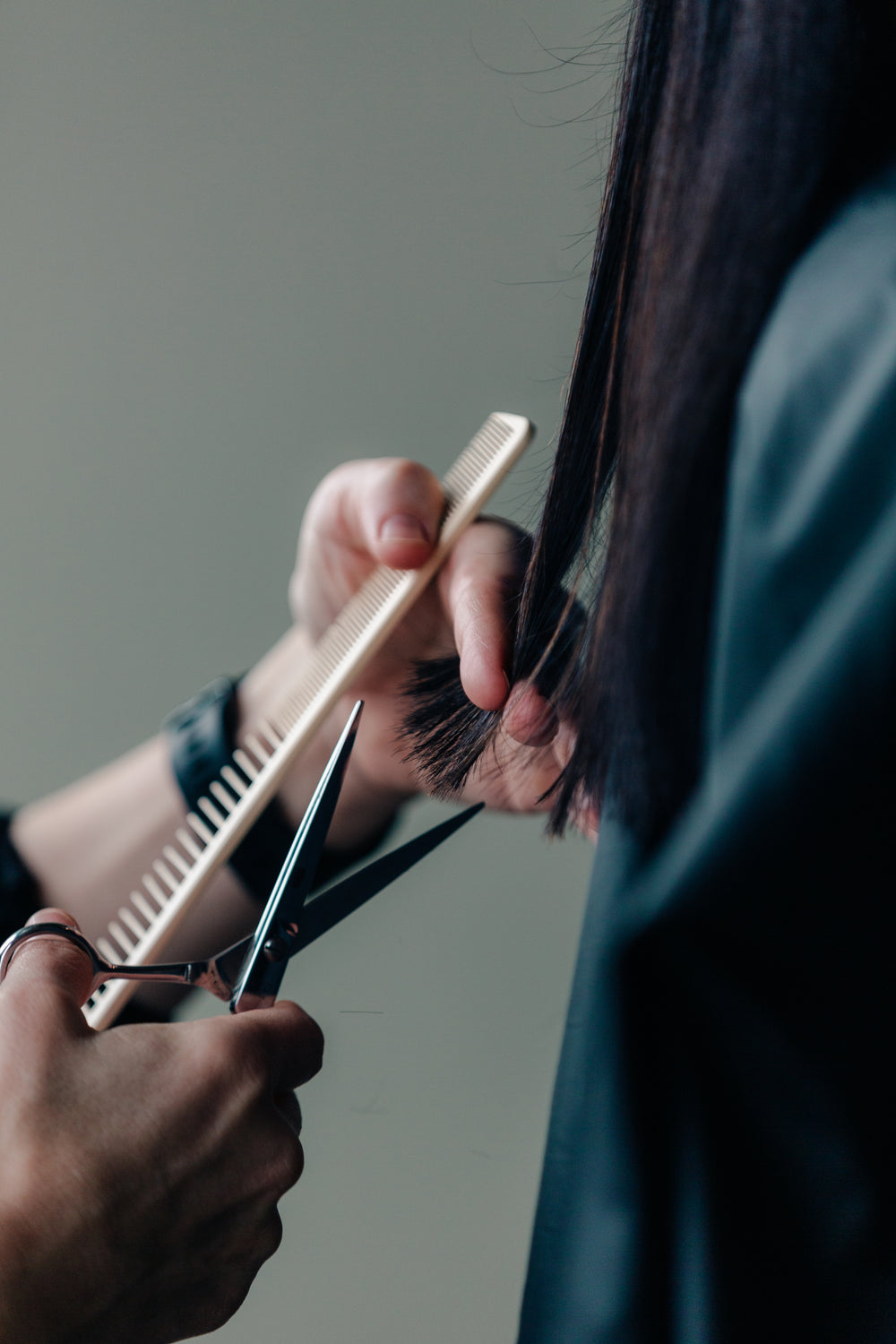
A note on ends
Pair the color with a trim. Summer ends are the most porous part of your hair and will grab fall color darker than the rest, which can make a good shade look uneven. Even a small trim before or at the color appointment evens the canvas. It is the cheapest insurance in the whole process, and stylists recommend it for exactly that reason.
Common questions
Will going darker damage my hair?
Depositing color is one of the gentler color services, far less stressful than lightening. Condition still matters, especially on previously highlighted hair, which is porous and needs filling and extra moisture.
Why does dark color over my highlights look muddy?
Lightened hair lacks the warm underlying pigment dark shades need. Without a fill step first, the color can turn hollow or greenish and fade quickly. A stylist corrects this by replacing the missing warmth before the final shade.
Can I go back to blonde in the spring?
Usually, if the fall change stayed within a few levels and your hair's condition is good. Lightening back is a gradual process and works best when the seasonal shift was moderate to begin with.
Photos in this guide are representative stock images.
← All guides from Embellish Hair Studio← Back to Embellish Hair Studio