Protective styles earn their name honestly: braids, twists, and other tucked-away styles shield ends from daily friction, weather, and over-handling, and many people retain more length in them than out of them. But the word protective has gathered myths around it, the most costly being that hair inside a style needs nothing, including the trim it was due when the style went in.
At Embellish Hair Studio in Chesterfield, haircuts and treatments bookend the protective styles clients wear between visits. Sorting the myths from the facts is the simplest way to keep length healthy: what these styles genuinely protect, what they cannot do, and where trims fit in the install calendar.
Myths and facts, sorted
| Claim | Verdict | Why |
|---|---|---|
| Protective styles make hair grow faster | False | Growth happens at the scalp at a steady rate, around half an inch a month. Styles help you keep the length you grow by reducing breakage, which looks like faster growth over time |
| Hair in a protective style needs no care until takedown | False | The scalp still needs cleansing and the hair still needs moisture. Neglected hair under a style comes out dry, tangled, and matted at the roots, losing at takedown much of what the style saved |
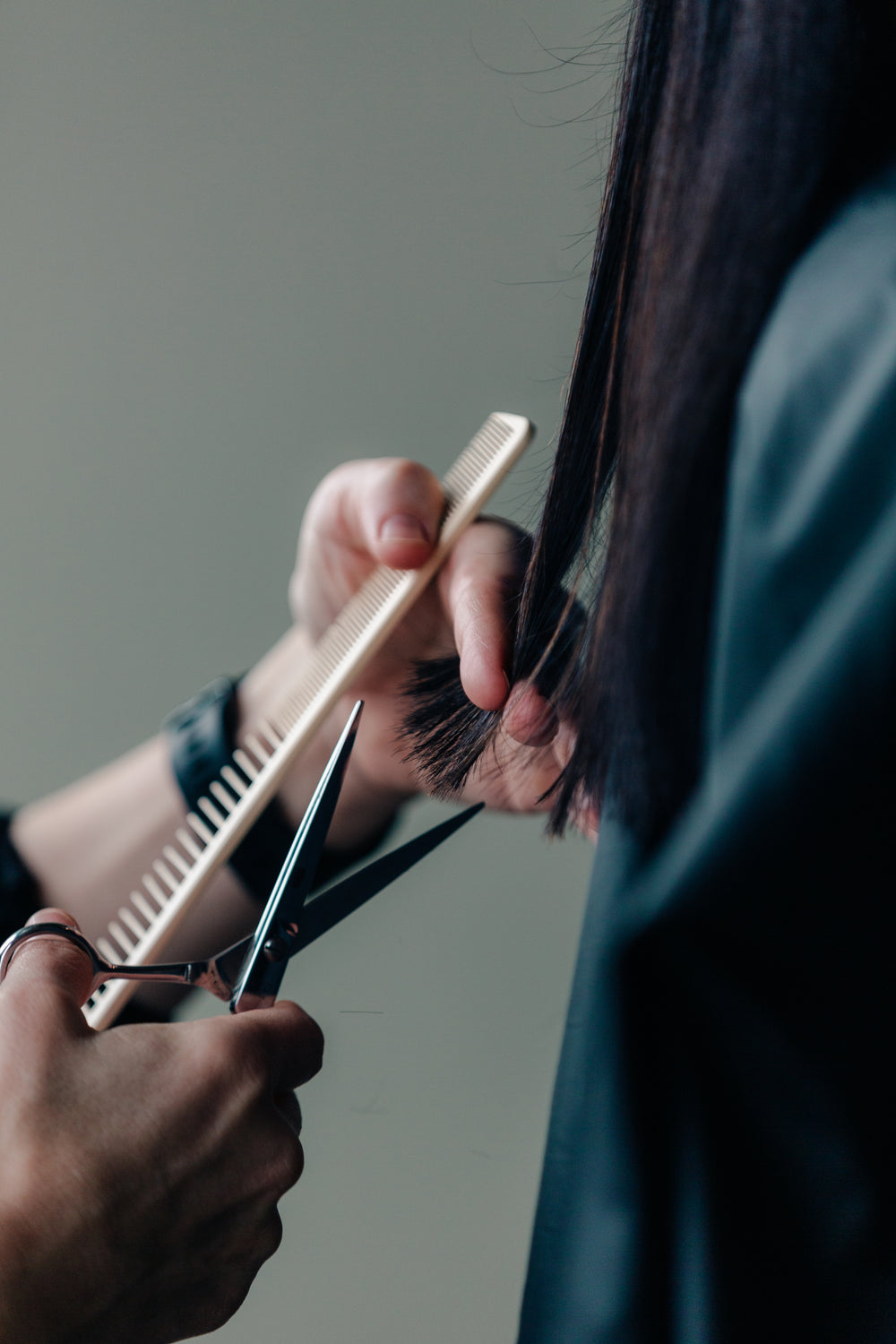
| Ends should be trimmed before a style is installed | True | Split, frayed ends tangle inside braids and twists and keep splitting for the whole wear period. Installing over healthy, trimmed ends protects length; installing over damage preserves the damage |
| The longer a style stays in, the better it protects | It depends | Most styles serve best for a matter of weeks, commonly in the four-to-eight range. Beyond that, shed hair and buildup lock in at the roots, and takedown breakage can erase the gains |
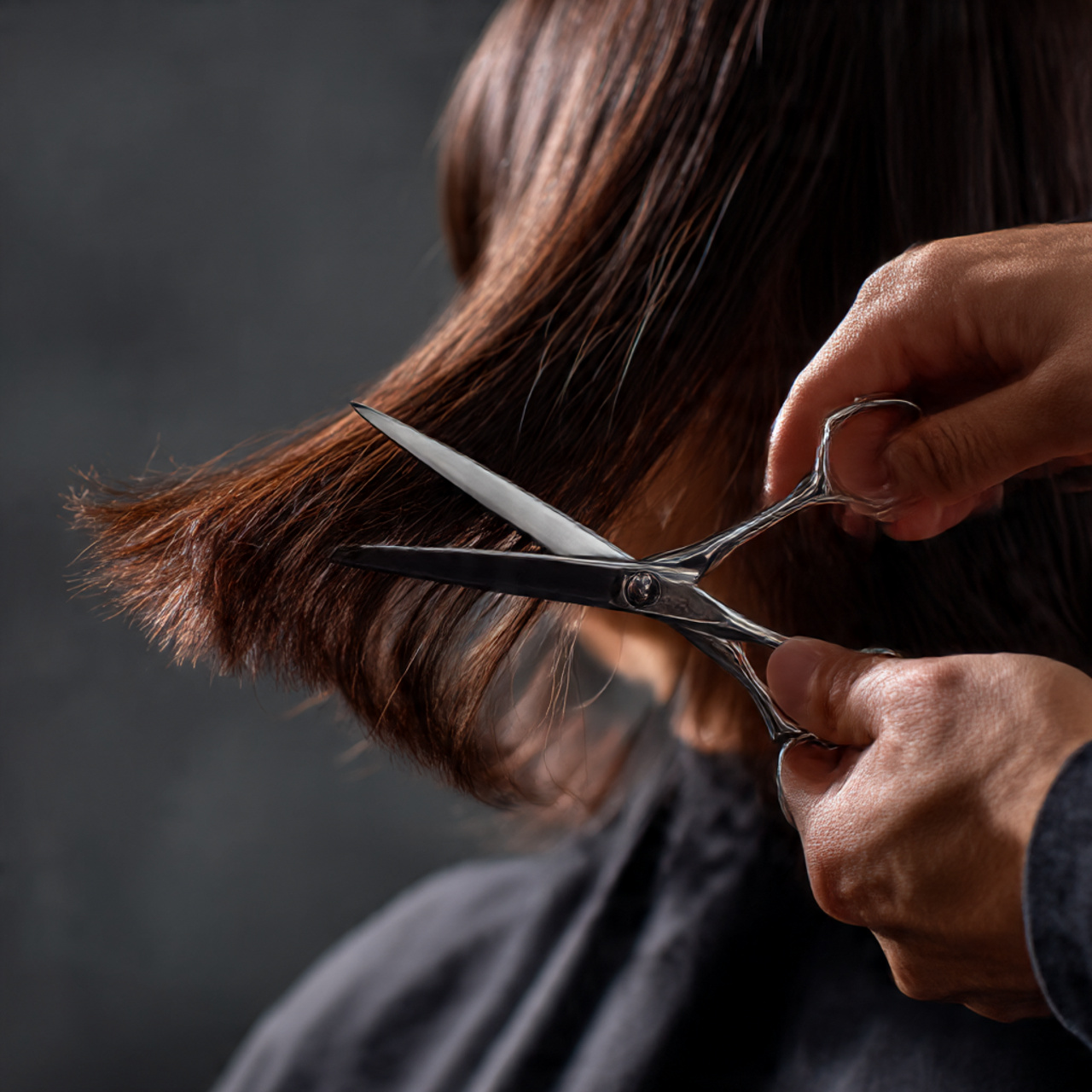
| A trim right after takedown is a good idea | True | After weeks in a style, ends need assessment once the hair is washed, conditioned, and detangled. It is the natural moment to remove what has frayed before the next install or a period of wearing hair loose |
| Tight installation makes a style last longer and protect better | False | Tension at the hairline and scalp causes pain and can cause breakage and traction damage. A style that hurts is not protecting anything; it is pulling hair out by the root over time |
The care that continues inside a style
Three things continue while hair is styled. The scalp gets cleansed on a regular rhythm, with diluted shampoo or a scalp-focused wash worked in gently and rinsed thoroughly, because oil, sweat, and product accumulate at the roots regardless of the style above them. The hair gets moisture, usually a light leave-in or spray worked along the braids or twists and at any exposed ends, since dry hair breaks whether it is visible or not. And the style gets protected at night with a satin or silk scarf or bonnet, which reduces the friction and lint that age a style early.
What stops is daily manipulation: combing, brushing, heat, and restyling. That rest is the real mechanism of protection. Every avoided detangling session is a set of ends that did not snap that day.
Timing trims with installs
The clean calendar looks like this: trim and deep condition, then install. Wear the style for its sensible weeks with scalp and moisture care. Take it down, wash and condition thoroughly, detangle patiently, then assess the ends and trim before the next install or before a stretch of loose wear. Booking the trim as part of the install appointment, rather than as a separate intention, is what makes it happen.
Skipping the pre-install trim is the false economy that stylists in Chesterfield see most. Hair goes in with split ends, spends six weeks tangling around them, and comes out needing a bigger cut than the small trim that was postponed. The difference between the two cuts, multiplied across a year of installs, is the difference between length retained and length merely grown and lost.
Takedown day discipline
Takedown decides how much of the protected length you actually keep. Work in sections, loosen each braid or twist with fingers and a little conditioner or oil for slip, and remove the accumulated shed hair and buildup at the base of each section before washing. Hair sheds daily whether styled or not, so weeks of shed hair come out at once and look alarming; that volume is normal. What is not normal is ripping through it. A patient takedown, followed by a proper wash, conditioning, and the planned trim, is how a protective style finishes the job its name promises.
Common questions
How long should I keep a protective style in?
Commonly four to eight weeks, depending on the style and your hair. Beyond that, buildup and shed hair matting at the roots make takedown damaging enough to cancel the benefits.
Should I trim before or after a protective style?
Both have their moment. A light trim before installing keeps damaged ends out of the style, and an assessment trim after takedown clears anything that frayed during the wear period.
Why did my hair look thinner after takedown?
Weeks of naturally shed hair release at once during takedown, which looks dramatic but is normal. True thinning is different: if density does not look right after washing and conditioning, mention it at your next appointment.
Photos in this guide are representative stock images.
← All guides from Embellish Hair Studio← Back to Embellish Hair Studio